
Return to Willow Vale: Chapter Three
Reviews
Return to Willow Vale: Chapter Three succeeds as a low-stakes narrative experience. The puzzles integrate naturally with the story, never feeling forced or frustrating. The village is a character in itself, filled with small details that invite repeated visits. The notebook system keeps players oriented without hand-holding. While the game is brief, its emotional resonance and polished presentation make it a worthwhile journey for anyone seeking a calm, story-driven escape.
About this game
Story and Setting
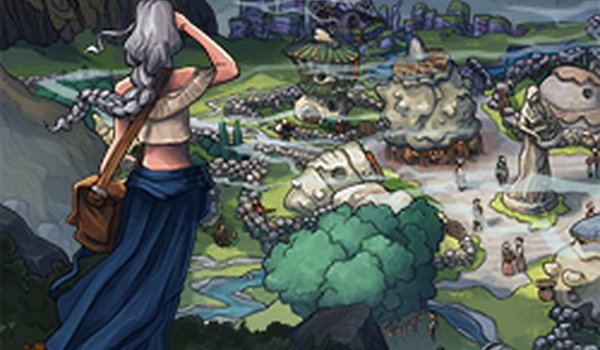
Return to Willow Vale: Chapter Three places players in the role of a young woman revisiting her childhood home. The narrative focuses on personal connections and the quiet revelations that come from exploring familiar spaces. Players move through a lovingly detailed village where each location holds fragments of the past. The story unfolds through interactions with residents and objects, gradually piecing together what has been lost to time.
Interaction and Controls
The game uses a straightforward point-and-click interface designed for ease of use. Players click on characters and items to advance conversations or collect useful objects. An inventory system lets players store and examine items, while a notebook automatically records story details and hints. Hotspot indicators highlight interactive areas, reducing guesswork. Zoom controls allow players to adjust the view for a more comfortable experience.
Puzzle Design
The puzzles in this chapter are crafted to challenge without overwhelming. They rely on observation and logical thinking rather than speed or complex mechanics. Players might need to combine items from different locations or recall details from earlier conversations. The difficulty curve remains gentle, making the game suitable for both newcomers and experienced players who prefer a relaxed pace.
Visual and Audio Atmosphere
The village is rendered with warm colors and soft details that create a welcoming environment. Backgrounds include subtle animations like swaying trees and drifting clouds. The sound design uses gentle ambient noises and a calm musical score that shifts to reflect emotional moments. Together, these elements support the game’s focus on reflection and discovery.
Exploration and Discovery
Thorough exploration is rewarded with optional scenes and background information about the characters. The game encourages players to revisit areas after obtaining new items, as some interactions only become available later. Hidden details are placed throughout the environment, adding depth to the world without forcing players to find them. This approach supports multiple play styles, from focused puzzle-solving to leisurely wandering.







Comments
Sign in to leave a review
No account? Create one
No comments yet.