
Pixel Pathfinder: Block World Escape
Reviews
Pixel Pathfinder: Block World Escape stands out for its thoughtful level design that rewards patience over speed. The colorful block worlds are a joy to explore, and the opponent patterns create satisfying mini-puzzles. It avoids the pitfalls of many action games by keeping the tone light and the difficulty curve smooth. A solid choice for anyone seeking a relaxing yet engaging single-player experience.
About this game
Core Objective and Movement
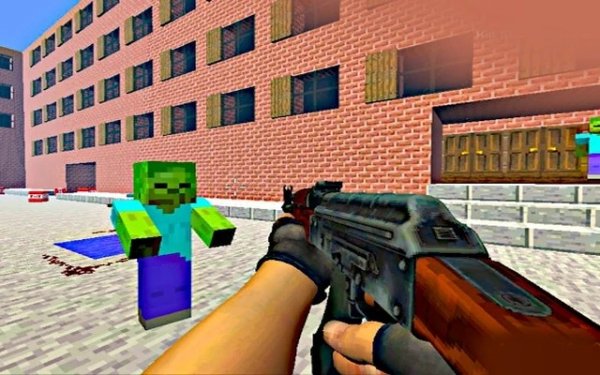
In Pixel Pathfinder: Block World Escape, players control a character navigating through a series of distinct block-style levels. The primary goal in each stage is to locate the exit point while avoiding or outsmarting the pixelated opponents that patrol the area. Success depends on careful observation of the environment and planning a route that minimizes direct confrontations. The controls are straightforward, allowing players to move in four directions and interact with objects. This simplicity ensures that the focus remains on strategic positioning and timing rather than complex input sequences.
Opponent Encounters and Strategy
Each level introduces a set of blocky adversaries that follow predictable patterns. Players must learn these patterns to find safe windows for movement. Direct contact with an opponent may reset the level or require a restart from a checkpoint, so patience and pattern recognition are key. The game encourages players to use the environment to their advantage, such as luring opponents into corners or using temporary obstacles for cover. This creates a puzzle-like layer within the action framework, where each encounter becomes a small logic challenge.
Level Design and Exploration
The world is constructed from colorful, pixelated blocks that form walls, platforms, and hidden alcoves. Levels are not linear; they contain multiple paths, some of which are concealed behind destructible blocks or in corners that require a second look. Exploration is rewarded with shortcuts, power-ups that temporarily slow opponents, or bonus items that contribute to a score tally. The layout of each stage is distinct, preventing the experience from feeling repetitive. Players who rush may miss essential paths, while those who methodically search will find the most efficient routes.
Visual Style and Atmosphere
The pixel art aesthetic uses a bright, saturated palette that keeps the tone light and inviting. Characters and opponents are designed with a charming, blocky look that avoids any threatening appearance. Animations are smooth but simple, with clear visual cues for opponent movement and player actions. The background music is upbeat and non-intrusive, complementing the exploratory gameplay without causing distraction. This visual and audio design ensures the game remains accessible to younger players while still appealing to adults who appreciate retro-inspired art.
Progression and Difficulty Curve
As players advance, new level layouts introduce more complex opponent patterns and larger environments. Early stages serve as tutorials, teaching basic movement and opponent behavior. Later levels require combining multiple skills, such as timing movements across several patrolling opponents while navigating a maze-like structure. The difficulty increases gradually, ensuring that players have time to build confidence before facing more demanding challenges. This progression system keeps the game engaging without becoming frustrating, making it suitable for both casual sessions and longer play periods.








Comments
Sign in to leave a review
No account? Create one
No comments yet.