
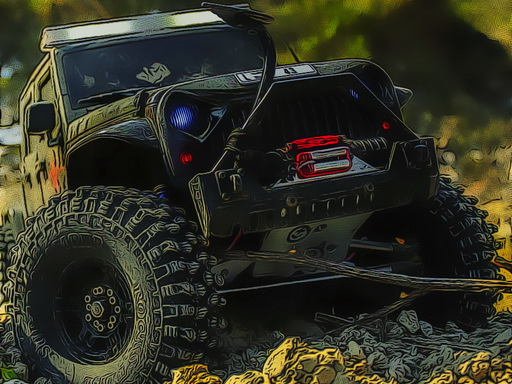
Jeep Adventure Puzzle Game
Reviews
Jeep Adventure Puzzle Game keeps things simple: six jeep scenes, three modes, drag-and-drop controls, and no timers or scores. The appeal is the lack of pressure and the scenic mountain imagery, which suits casual players, families, and anyone who prefers a quiet activity. The main limitation is variety—six images is a small set, and there is no scoring or progression to extend play beyond replaying the same scenes.
About this game
What You Actually Do
Each session starts by picking one of three modes. Every mode holds two different jeep images, so there are six puzzles in total. Once you choose a mode, the image appears scrambled on screen. Your only task is to drag pieces into their correct spots. On a computer you use the mouse; on a phone or tablet you use your finger. As pieces land correctly, the scene gradually takes shape and visual feedback shows your progress. Completing the puzzle reveals the full offroad jeep picture.
Why There Are No Timers or Scores
The design removes every source of pressure. There is no clock counting down, no score to beat, and no penalty for taking a long time. That choice changes how you play: you can study the image, sort pieces by color or pattern, and place them without rushing. It also makes the game approachable for children, older players, or anyone who wants a quiet activity rather than a competition. You can replay any mode whenever you like, so a finished puzzle is never truly finished.
What the Scenes Look Like
All six images center on sturdy jeeps in mountain and offroad settings. The scenery is the reward: each completed puzzle shows a vehicle in a natural landscape. The game leans on that visual variety to keep repeated play interesting, since the three modes each offer two distinct scenes. Nothing in the presentation pushes toward action or danger—the focus stays on the outdoor view itself.
How to Approach the Puzzles
Starting with the edge pieces is the most reliable way to build a frame before filling the middle. Grouping pieces by distinct colors or patterns narrows down where each one belongs. If you get stuck, stepping away and returning later often makes the next piece obvious. Because there is no timer, these habits cost nothing and make the six scenes easier to complete at any skill level.
Compatibility
FAQ
Comments
Sign in to leave a review
No comments yet.








Editorial Notes